How to Get It Right in Every Room

A well-placed rug can anchor a room, define zones, and elevate the entire aesthetic. But it’s not just about choosing a beautiful rug – it’s about placing it correctly. Here’s our take on how to position your rug perfectly based on room type.

Living Room: Anchor & Frame Your Furniture

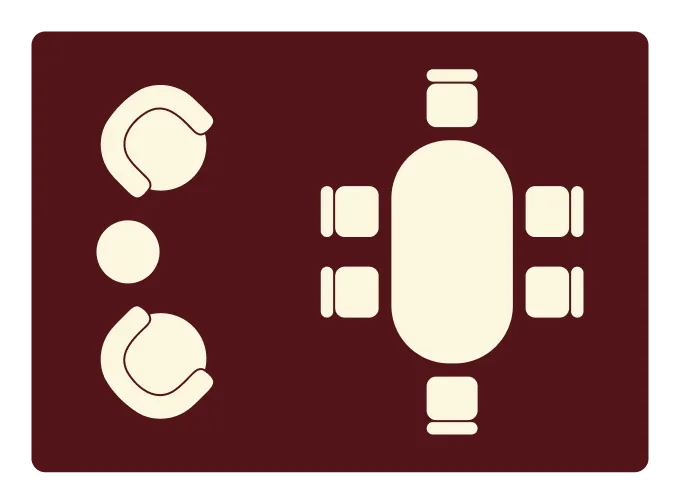
The most common mistake? Rugs that are too small. In a living room, your rug should connect your seating area. Ideally, all front legs of the sofa and chairs should rest on the rug - this creates a cohesive, intentional look. For larger spaces, don’t shy away from full coverage where all furniture legs sit on the rug. It makes the room feel expansive and grounded.
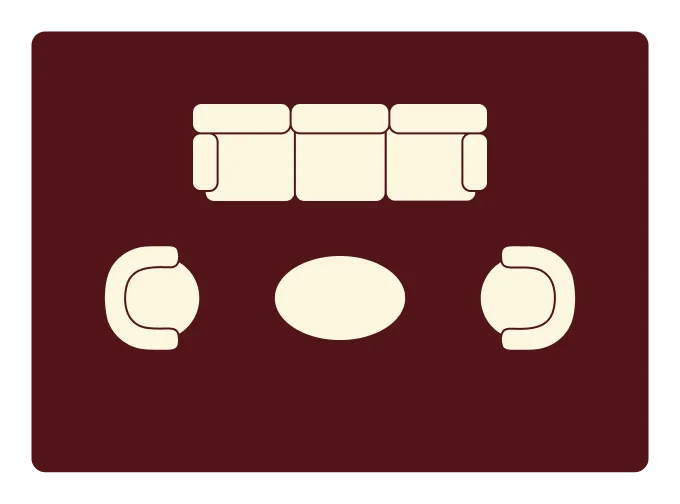
Bedroom: Softness Where You Step

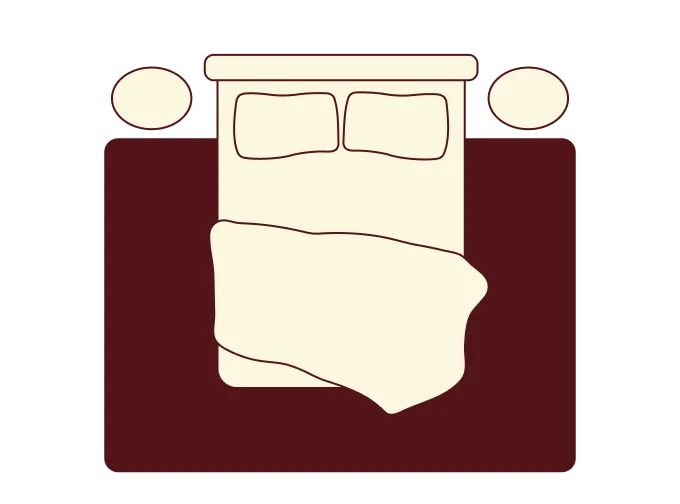
There’s nothing like stepping onto a plush rug first thing in the morning. For bedrooms, extend the rug under the bed and ensure it comes out at least 60cm beyond the sides and foot. This gives a luxurious, balanced look. In tighter spaces, consider runners on either side of the bed.

Dining Room: Comfort Meets Practicality

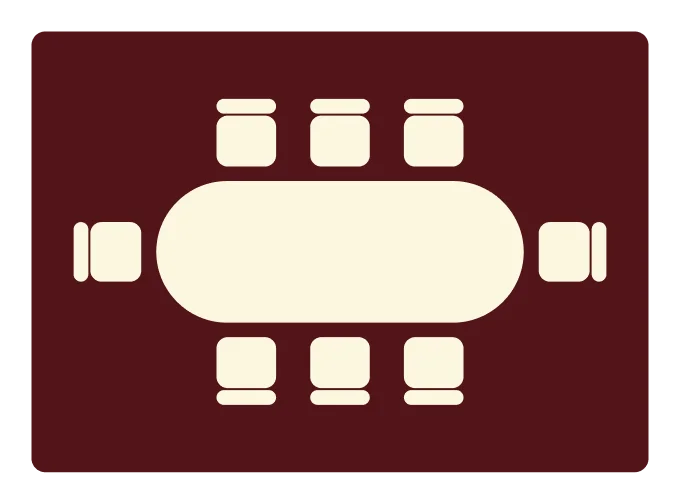
Here, the golden rule is coverage. The rug should extend at least 60-70cm beyond the edge of your dining table so that chairs stay on the rug, even when pulled out. This not only looks polished but prevents trip hazards and wear from chair legs.

Outdoor Areas: Extend Your Living Space

Don’t underestimate the impact of an outdoor rug. It pulls together seating or dining zones and softens hard surfaces. Choose weather-resistant materials like polypropylene and ensure the rug is proportionate to the furniture group. The same living room principles apply - anchor your furniture, don’t float it.

The right rug placement doesn’t just style your room - it defines it. Choose the right size, position it thoughtfully, and let your rug work its magic.